Rising HOA insurance costs in California are putting more pressure on association budgets, especially for communities...

Rising HOA Insurance Costs in California: What San Diego HOA Boards Should Know in 2026
read more


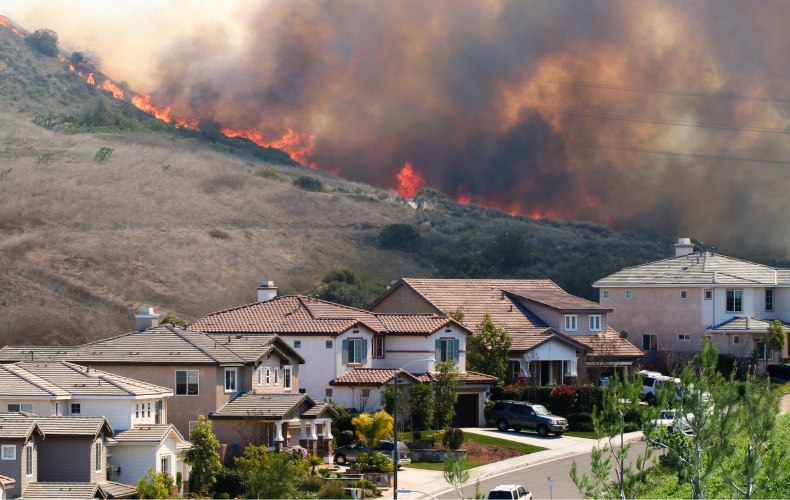
California’s wildfire seasons are growing longer and more intense each year, putting unprecedented financial pressure on homeowners associations. Rising premiums, shrinking coverage options, and insurer withdrawals from high-risk zones have left many HOAs struggling to protect their communities.
To stay resilient, boards must look beyond traditional insurance models and embrace innovative solutions that align with evolving risks. APS Management helps San Diego HOAs understand these challenges and stay informed about forward-thinking strategies, such as parametric insurance, to strengthen financial security and help safeguard their communities against future wildfire threats.
For many California HOAs, wildfire risk is no longer a distant concern, it’s a financial reality. Insurance premiums in high-risk zones have skyrocketed in recent years, while coverage limits have tightened or disappeared altogether, causing a California HOA insurance crisis.
These rising costs can place a heavy burden on reserve funds and force boards to increase assessments, straining homeowners financially. Some communities in San Diego and across the state have even faced policy cancellations, leaving them scrambling for alternative coverage.
Proactive financial planning is essential to weather these shifts. Explore our guide on HOA annual budgets and reserve planning to better prepare your community for these mounting challenges.
Traditional property insurance has become increasingly difficult for HOAs in wildfire-prone areas. Rising premiums, strict underwriting, and coverage gaps often leave communities paying more while getting less protection.
Parametric insurance offers a different approach: instead of relying on lengthy damage assessments, payouts are triggered automatically when specific, measurable conditions—such as wildfire size, proximity, or wind speed—are met. This model delivers faster payouts, fewer disputes, and more predictable coverage, making it a valuable tool for risk management.
Discussing these options during board meetings can help your HOA take a more strategic approach to wildfire resilience. Check out our guide on effective HOA meetings and homeowner communication for tips.
Parametric insurance focuses on measurable events rather than damage assessments. Instead of filing a claim and waiting for adjusters, payouts are automatically triggered when predefined conditions, such as a wildfire reaching a certain size or coming within a set distance of the community, are met. For example, if a wildfire burns within three miles of your HOA, a payout is released immediately, regardless of physical damage.
This approach offers speed, transparency, and fewer disputes compared to traditional insurance, giving communities faster access to funds when they need them most. To ensure your board is prepared to evaluate such options, see our guide on what to cover at HOA meetings.
One of the most compelling advantages of parametric insurance is how it rewards communities for taking wildfire mitigation seriously. HOAs that clear brush, maintain defensible space, install fire-resistant materials, and follow local fire safety guidelines are often eligible for better coverage terms or discounted premiums.
Insurers value these proactive measures because they directly reduce wildfire exposure, making payouts less likely. California also offers state and local grants to support these mitigation projects, making it easier for boards to implement meaningful improvements. For more strategies on keeping your community protected and well-maintained, explore our guide on HOA safety and maintenance best practices.
Building wildfire resilience requires both planning and action. HOAs can start by creating a community wildfire action plan that includes defensible landscaping, fire-resistant roofing materials, and clear emergency response protocols. Working with insurance advisors to evaluate parametric coverage options ensures your community has financial protection tailored to wildfire risk.
Partnering with an experienced HOA management company like APS can help boards stay organized and informed as they evaluate their options and understand relevant regulations. For more guidance on regulatory compliance, explore our resources on HOA compliance with California regulations.
Wildfire resilience isn’t just about safety, it’s also a powerful financial strategy. By adopting innovative HOA wildfire insurance models and proactive mitigation measures, HOAs can reduce the likelihood of catastrophic losses, stabilize premiums, and protect their reserve funds from unexpected strain.
These efforts help maintain property values and provide homeowners with confidence that the community is prepared for future risks. With the right planning and communication, boards can balance safety priorities with financial stability. For more guidance, explore our resources on HOA budgeting.
As wildfire risks continue to grow across California, HOAs can’t afford to rely solely on outdated insurance models. Innovative solutions like parametric insurance, combined with strong mitigation practices, help communities save money, stay compliant, and protect both people and property.
APS Management supports San Diego HOAs by helping boards stay educated and informed as they explore wildfire resilience strategies and insurance options.
Ready to explore wildfire insurance alternatives for your HOA? Contact APS Management today to learn how to protect your community.
Q1: Why are HOA insurance premiums rising so quickly in California?
As wildfire risk continues to increase, insurers are raising premiums, limiting coverage, or withdrawing from high-risk regions to protect themselves from mounting losses. This shift has placed significant financial pressure on HOAs, particularly in fire-prone areas.
Q2: What is parametric insurance and how is it different from regular insurance?
Parametric insurance pays out automatically when specific, measurable conditions, like fire size or proximity, are met. Unlike traditional insurance, it doesn’t require lengthy claims investigations, meaning communities receive funds faster and with less administrative hassle.
Q3: Can small HOAs use parametric insurance, or is it only for large communities?
Parametric insurance models are scalable and increasingly accessible for communities of all sizes. Smaller HOAs can benefit just as much as larger ones, especially when paired with strong wildfire mitigation efforts.
Q4: How can HOAs lower insurance costs without sacrificing protection?
By combining wildfire mitigation strategies, like defensible landscaping and fire-resistant materials, with innovative insurance models such as parametric coverage, HOAs can reduce risk exposure and improve their insurance options.
Q5: Does investing in wildfire resilience improve property values?
Yes. Buyers and homeowners increasingly value communities that are set-up for natural disaster preparedness. Wildfire resilience not only improves safety but also enhances property values and market appeal, particularly in fire-prone regions of California.
Rising HOA insurance costs in California are putting more pressure on association budgets, especially for communities...

In San Diego, vendor work is where a lot of HOA risk hides. Between a competitive contractor market, tight schedules, and...

Sustainability is no longer a luxury for California HOAs, it’s a necessity. With rising water costs, ongoing drought...